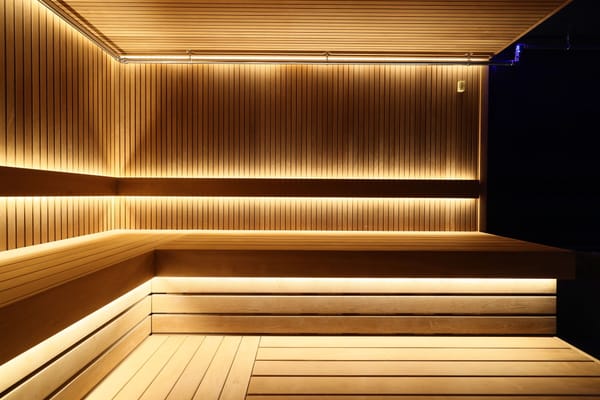
Building the sauna we want to live with

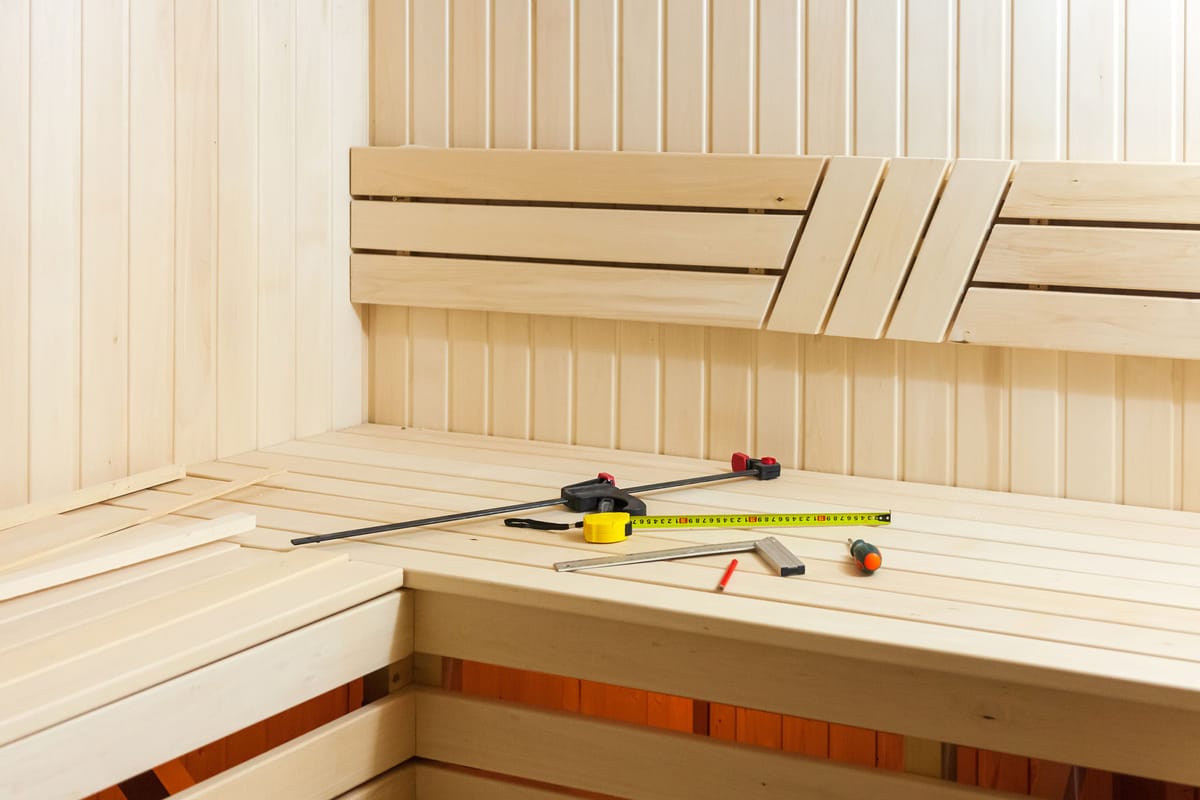
I’m starting a new business.
I’ve done this a few times before. Four, depending on how strict you are. More, if you count the quick failures that taught me more than the successes ever did. This time feels different, not because the opportunity is bigger or cleaner, but because I’m trying to build it in a way I can still stand behind a decade from now.
That turns out to be a surprisingly demanding constraint.
Earlier in my career I learned how to build companies in environments where speed, intensity and ambition were treated as virtues in their own right. Venture-backed technology has many strengths, but it also has a particular relationship with adrenaline. Moving fast is equated with seriousness. Big promises signal commitment. Emotional discomfort and unsustainable cultures are often reframed as evidence that you’re doing something important.
I burned out. Not dramatically and certainly not uniquely, just in the way people do when they stay too long in systems that are governed by someone else’s values. At the time I didn’t have language for what was wrong, only a growing sense that something wasn’t right and I needed to make changes.
What I understand more clearly now is that many businesses are built on what I think of as an adrenal culture. They depend on momentum, pressure and narrative to keep everyone feeling like progress is being made. From the outside they can look impressive. From the inside they are often brittle, noisy and strangely empty.
This sauna business is an attempt to do the opposite. I don’t want to build a company that only works if everyone involved is slightly exhausted in the present whilst obsessing about the future. I don’t want one where the product feels compromised or underwhelming once the excitement wears off. And I don’t want to wake up in five years with something that looks successful to others but feels like a millstone.
I want to build a sauna where I still enjoy showing up to light the fire and serve the tea in ten years’ time, and holding that idea in mind has been super clarifying on a daily basis. It immediately rules things out, for example rushed builds, or saying yes to an imperfect location. Decisions that make sense on paper, but feel wrong when you imagine living with them over the long term.
It also forces different questions to the surface. Would I want to sit here on a wet Tuesday in February? Would I bring someone I truly care about here? Would I still feel proud of this choice once the novelty had gone? Would I feel proud to bring people here to sauna, regardless of their experience or expectations?
If the answer isn’t ‘hell yes’, it’s a quick and easy no.
Sauna is having a moment in the UK. That’s exciting, but it also creates a false pressure on would-be operators to move quickly, to open something, anything, before the window closes. The problem is that a great sauna comes from care, not momentum.
The best sauna experiences I’ve had were clearly shaped by people who paid attention to small, unglamorous details. Airflow that feels right without you noticing it. Bench heights that make sense for the body rather than a drawing/regulations/inherited wisdom. Materials that age well instead of trying (and failing) to look new forever. Thresholds and welcomes that help you arrive rather than rush straight in. None of that benefits from haste!
That’s kind of the point; I’m not trying to build the biggest sauna business. I’m trying to build the least compromised one. The one that feels calm, trustworthy and designed for repeat visits. We’re actively hiding from hype, novelty or rapid scale.
Of course this approach will leave opportunities on the table… certain partnerships won’t make sense. Our growth will be slower than it could be and we will probably make less profit in the first couple of years than we could. But I’ve learned the hard way that not every door you can open is worth walking through! And I believe that what we may lose in buzz we will gain in customer loyalty and personal happiness.
A lot of founders talk about loving the mission, the purpose or the industry. Fewer talk about loving the day-to-day reality of running their business. I care about whether I’ll still enjoy the conversations, the responsibility, and the problem-solving in 5 years if we keep doing what we’re doing. And whether the work fits into a life that includes family, health and a nervous system that isn’t permanently on edge.
If we get this right, the business should feel sturdy, grounded, opinionated and confident. When I think about ten years from now, I don’t picture getting rich or running a victory lap. I picture walking into spaces and conversations that still feel good, sitting on a bench that hasn’t been compromised and pouring water on stones that were chosen properly in the first place, all with a sense of contentment as well as achievement.
I hope to recognising the business with fond familiarity in 10 years time, rather than feeling like it drifted away from our founding vision and into something cheap and replicable.
That’s the bar and if we clear that, I’ll consider this the highlight of my career.